Stop wearing all the hats

Because “I’ll just do it myself” isn’t a growth strategy.

If you’re looking for a practical speaker with 35+ years of real-world operations experience, Susan Fennema delivers sessions that help small business owners reduce bottlenecks, stop firefighting, and build businesses that run without constant owner involvement.

Best for: small business conferences, associations, and industry events with a business-owner track

Full Presentation: Susan Fennema at Build.Grow.Learn. Annual Conference

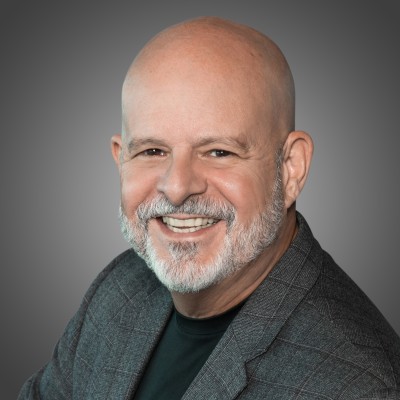
Meet Susan

Susan Fennema speaks to business owners who did what everyone told them to do—delegate more, hire better people, build a team—and still feel like the business falls apart without them.

With more than 30 years in operations and project management, Susan helps owners eliminate hidden owner dependency by redesigning roles, processes, and decision-making so the business no longer relies on them to run.

Known as the Chaos Eradicating Officer, Susan treats owner dependency as a systems problem, not a personal failure. She shows why delegation often breaks down, why adding people doesn’t reduce the owner’s workload, and why growth increases pressure instead of creating freedom when the business isn’t structurally built to scale.

Her signature presentation, Stop Wearing All the Hats, delivers practical frameworks owners can apply immediately. Audiences leave with tools they can use Monday morning to reduce owner dependency, protect their time, and strengthen team performance—without lowering standards or slowing growth.

Susan is a frequent conference speaker, podcast guest, and co-author of Your Business Is Holding You Hostage and Efficiency Amplified: Driving Business Value.

Speaking Topics

Stop Wearing All the Hats

Most business owners don’t take time off.
And when they do, they’re still working—just from a beach, a ski lodge, or a different time zone.

Even when time off finally makes it onto the calendar, there’s a constant hum of worry as the date gets closer. Experience has taught them that stepping away usually means answering emails, making decisions, and solving problems anyway—just with worse Wi-Fi.

That pattern has a name: owner dependency.

In other words, as the business grows, a structural problem surfaces where the company becomes unintentionally dependent on the owner for just about everything: decisions, execution, troubleshooting—everything.

As growth and complexity increase, the owner becomes the manual engine of the business. Control habits, combined with roles and processes that haven’t evolved, quietly train the organization to route decisions and problems back to the owner.

Stop Wearing All the Hats addresses owner dependency as a systems issue. Susan explains why delegation often breaks down, why hiring more people fails to reduce the owner’s workload, and why growth increases pressure instead of creating freedom when roles, processes, tools, and decision-making structures don’t keep pace with the business.

Attendees learn how to identify where their business relies too heavily on them, which responsibilities must shift first, and how to redesign operations so accountability and execution no longer bottleneck at the owner. The result is a business that runs consistently, scales intentionally, and no longer requires the owner’s constant presence to function.

From Chaos to Control: Building Systems Your Team Will Actually Use

In many growing businesses, work gets done because people are capable, experienced, and willing to figure things out as they go. Processes live in conversations. Decisions happen in Slack. Everyone does their best—and the business still feels chaotic.

As the team grows, that informal way of working starts to break down. Things get missed. Work gets redone. Questions keep flowing back to the same people because there’s nothing documented, standardized, or repeatable to rely on.

From Chaos to Control focuses on building foundational systems in businesses where processes and tools either don’t exist—or exist only in fragments. Susan shows how to move from tribal knowledge and constant interruptions to clear workflows, defined ownership, and simple systems that support how work actually happens.

Attendees learn how to identify where structure is missing, what needs to be documented first, and how to introduce systems without slowing the business down or overwhelming the team. The result is a business that runs with greater consistency, fewer preventable mistakes, and far less dependence on any one person to keep work moving.

Intentional Use of Time: Getting Out of Firefighting Mode (Breakout/Workshop Friendly)

Most business owners start their days with a plan. By mid-morning, that plan is gone.

Time gets consumed by interruptions, urgent requests, and problems that land on the owner’s desk simply because there’s no clear structure for handling them anywhere else. Important work keeps getting pushed aside while reactive work takes over.

Intentional Use of Time is a hands-on workshop designed to help owners break out of firefighting mode by addressing where time is actually being lost—and why. Through guided exercises, participants uncover the patterns, decisions, and habits that keep pulling them into reactive work.

Attendees actively map how their time is currently being used, identify which work truly requires their involvement, and pinpoint where interruptions are being unintentionally created. They leave with a clearer structure for their days, practical changes they can implement immediately, and a realistic plan for protecting time without slowing the business down.

Testimonials

Susan was a key presenter at our annual Build.Grow.Learn. conference. This session geared toward eradicating chaos; it was one of those times where it wasn't about "oh this would be good for so and so" but that as an owner, it hit home personally in a big way. Her style is engaging, informative and practical. This wasn't just fluff or pie in the sky concepts, it was actionable and I was able to actually implement!
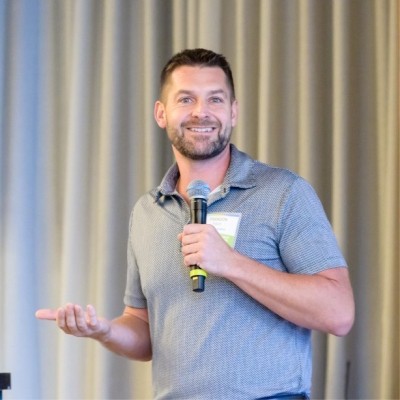
Susan Fennema delivered a standout session at the 2023 Business Transitions Summit—clear, engaging, and highly relevant for small business owners. She connected operational discipline to real business value in a way that resonated with our audience and sparked strong engagement. We invited Susan back in 2024 and 2025, and I’d confidently recommend her to any organization looking for a practical, experienced presenter who delivers insight that actually moves the needle.